Being remembered
A few weeks ago, I was invited to speak on the BBC Radio 4 show Last Word - Doing Death Differently. I am not on for long, so listen carefully! In this special series of the BBC’s obituary show, the presenter, Matthew Bannister, looks at the changing nature of our approach to dying, death, and how we are remembered over the last twenty years.
I am speaking in the episode called "Being Remembered." I was asked why more and more people are recording and sharing their life stories, and I had a great discussion on this topic with the BBC producer. I'd like to share my thoughts.
A growing interest in identity and family history
Death and grief - we can talk about it.
Reflecting on life can be joyful and deeply meaningful
It has never been easier — or more valuable — to preserve a story properly
1. A growing interest in identity and family history
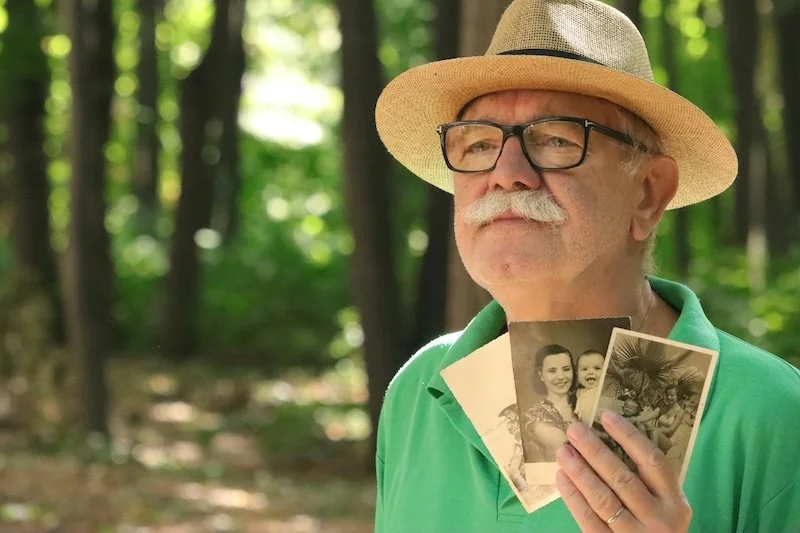
We are increasingly curious about where we come from and how our family stories have shaped who we are. The popularity of ancestry research, DNA testing, and online family archives reflects something deeper than simple curiosity — a desire to understand identity and belonging.
Our sense of self is often tied to the people who came before us: the values they carried, the challenges they endured, the opportunities they had and the decisions they made. Knowing these stories helps people feel connected — not just to their past, but to ourselves.
Recording personal memories allows those connections to become richer and more meaningful. It preserves not only facts and dates, but personality, humour, wisdom, and family characteristics — the things future generations rarely find in official records.
A grandparent describing their childhood home, the games they played, the holidays they took, or the opportunities available to them gives families a window into the past and a chance to understand the experiences and values that may have shaped their family.
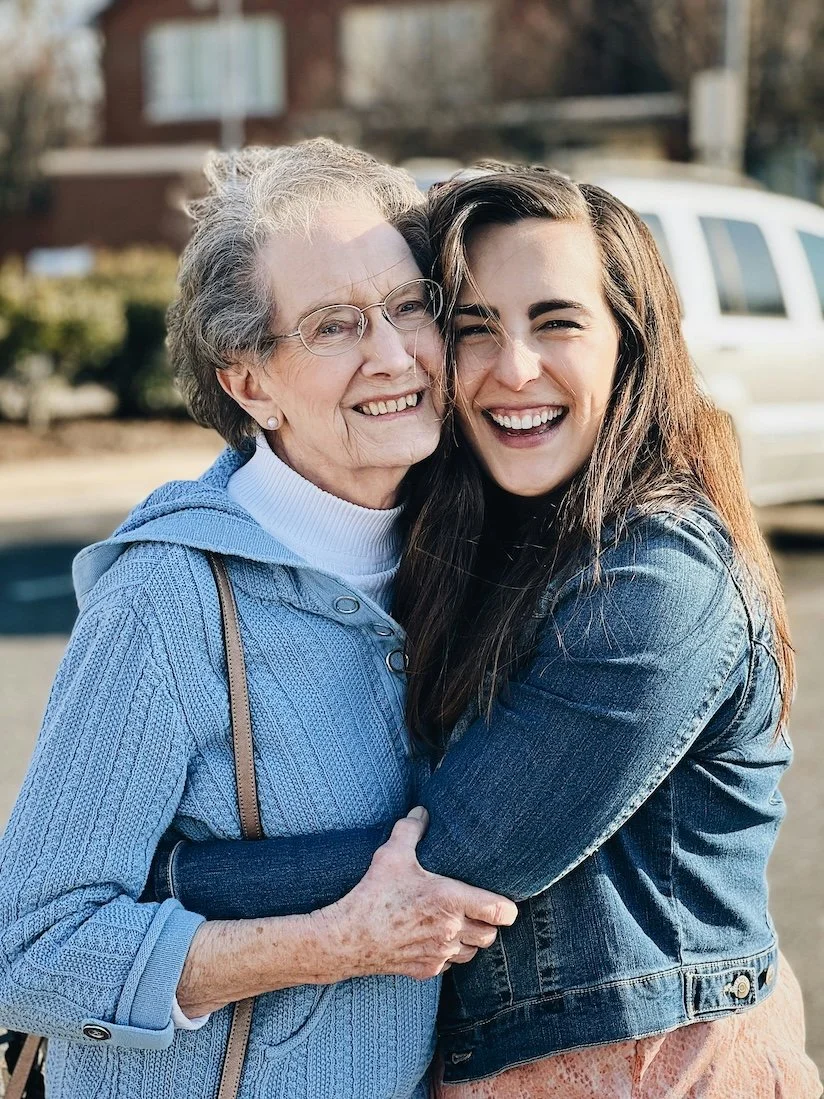
For many families, creating a life story is also an act of kindness: a gift for children and grandchildren who may one day long to hear stories in the voice of the person who loved them. And when a child asks a parent or grandparent to record their story, it becomes something even more powerful — an act of love.
2. Death and grief - we can talk about it.
As a society, the taboo of talking about death is lifting as we understand the benefits of speaking about and even preparing and planning for death.
Yesterday, a storyteller recollected that following the tragic death of her brother Christopher, no one talked about him or his death, and that was hard on both her mother and father. She recalled her mother's heartbreak when friends and neighbours would cross the street to avoid her and the stigma of death that she carried.
Compare that to the family of the young mother who died of cancer. A year after her death, her family gathered with friends, and I filmed as they shared their recollections and memories. Together, we created a film that is, as her mother said, “A unique picture for her children of their mother so as adults they will be able to look back and know her as we did.”
The film's impact went beyond this. A year later, the young daughter told me that she wouldn’t have been able to share the memories that she shared in the film, “I would have forgotten them”, she said. And her auntie also told me that this film had provided the family with a framework within which they could talk about their loss and their memories, something they had, unsurprisingly, struggled with.
Maybe I can also mention Bruce. On hearing that Bruce had a terminal diagnosis, his colleagues wanted to do something to help, and they asked me to do a Sounds Familiar recording. Bruce died just a few days after our recording. He was far too young to die, but I was able to capture some particularly beautiful moments: a description of meeting his wife, the conversation he had when he held his son for the first time, memories of his childhood holidays and his hopes for his sons' futures (they should do what makes them happy). I expect it will be months, if not years, before they are ready to listen to his recording, but I hope that when the time is right, the recording will bring some comfort to his wife and children.
One of the most common reflections people have later in life is that they wish they had asked their parents questions while they still had the chance. It is often only after someone has gone that we realise how much knowledge, perspective, and family history they carried, and how truly worth preserving it is.
3. Reflecting on life and sharing memories can be joyful and deeply meaningful
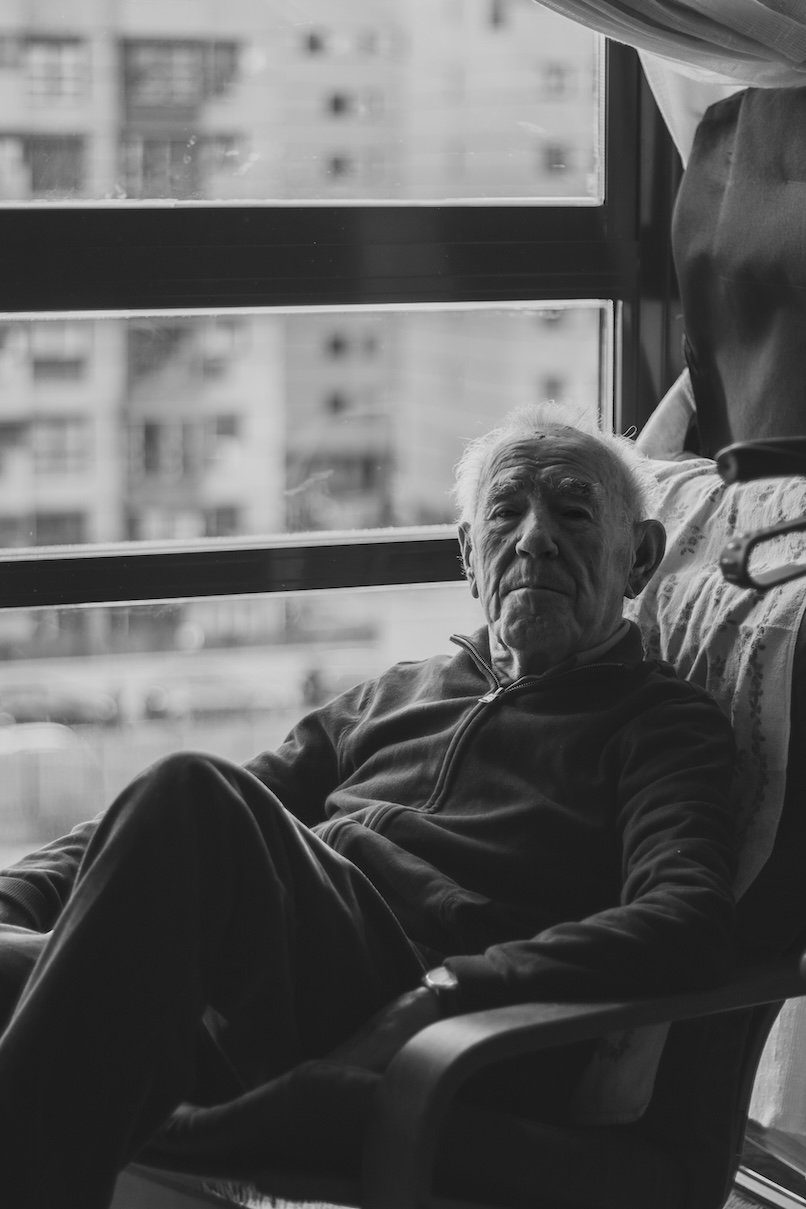
Putting a life story into words allows people to reflect back on experiences they may not have thought about for years. Many rediscover memories of people and places, moments of humour, connection, achievement, friendship, and resilience that had faded into the background of everyday life.
A process can be surprisingly uplifting and enjoyable. And after all, who doesn't like to be listened to, to be the focus of attention, being the expert and knowing that your family wants to hear from you, that alone is joyful.
As we get to the end of life, many of us will suffer from loneliness and even depression, and it is often at this time that families will encourage their elders to recall their successes, their achievements, their friends and more, and it is incredible what a boost these moments of reflection can provide.
Sharing memories often sparks laughter, conversation, and connection — particularly within families. Stories that might otherwise have disappeared become part of family life again.
Telling these stories can bring perspective and pride, while also helping people better understand the path their life has taken.
4. It has never been easier to preserve a story
Finally, modern technology and social media, coupled with our evolving cultural and societal norms, have made recording life stories more accessible and celebrated than ever. Whereas in the past, diaries were kept under lock and key, as a society, we are now eager to share important moments with friends, family, or even the public via social media. While it may be the younger generation who do more of the sharing on social media, there is no reason why our elders shouldn't jump on the bandwagon!
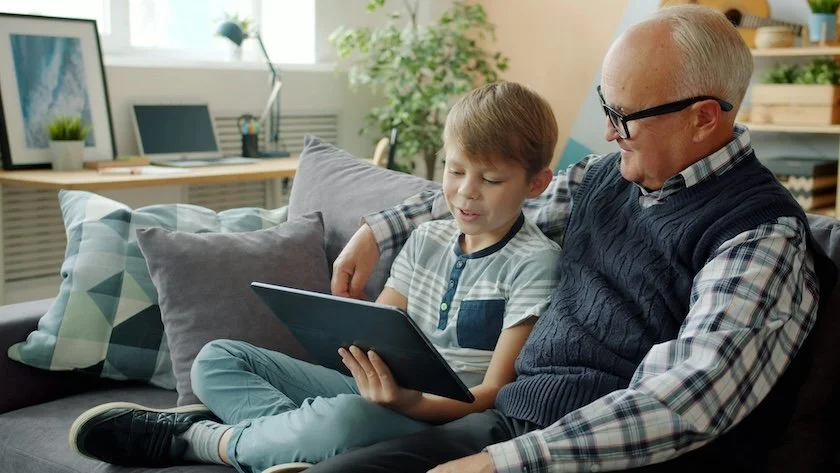
Capturing memories themselves through audio, video, photographs, or writing is simple using our phones and/or the multitude of apps that are now available.
At the same time, many families are recognising the benefits of working with professionals. A skilled interviewer or biographer can ask thoughtful questions, guide conversations naturally, and create something polished, lasting, and deeply personal, as well as enabling a joyful experience.
For me at The Story Keepers, my work is about helping people capture the stories that matter most before they are lost to time.
“My daughter gave me the gift of a conversation with Alice at The Storykeepers which was an absolute pleasure in every sense. Aside from the fact that one speaks for a few hours about themselves, reminiscing endlessly is enough of a joy but to have someone like Alice steer you with all the right questions to roll with it is really is quite a talent and I would entreat anyone thinking of doing this, don’t hesitate, you’ll not regret it. One of the best gifts I’ve had and I really enjoyed it. Thank you Alice!”
- Bill S
I just wanted to say what an amazing adventure I have had recreating my life story through your amazing company. What so many people do not realise is that relaying your life story to a third person who does not know you or your family is very comforting and allows you to express exactly what you want to say without fear of upsetting anyone until they potentially read what you have written!
I have enjoyed every moment and believe what you have to offer will greatly enhance anyone’s life experience.”
- David J
Back to me and my Radio 4 moment, after my little segment, the presenter talks to a company that creates AI versions of your family members, so you can carry on conversations and chat to loved ones forever. I am not sure about this, but maybe it is something we will all be doing in twenty years' time.